Exploring Finland Along the Alvar Aalto Route
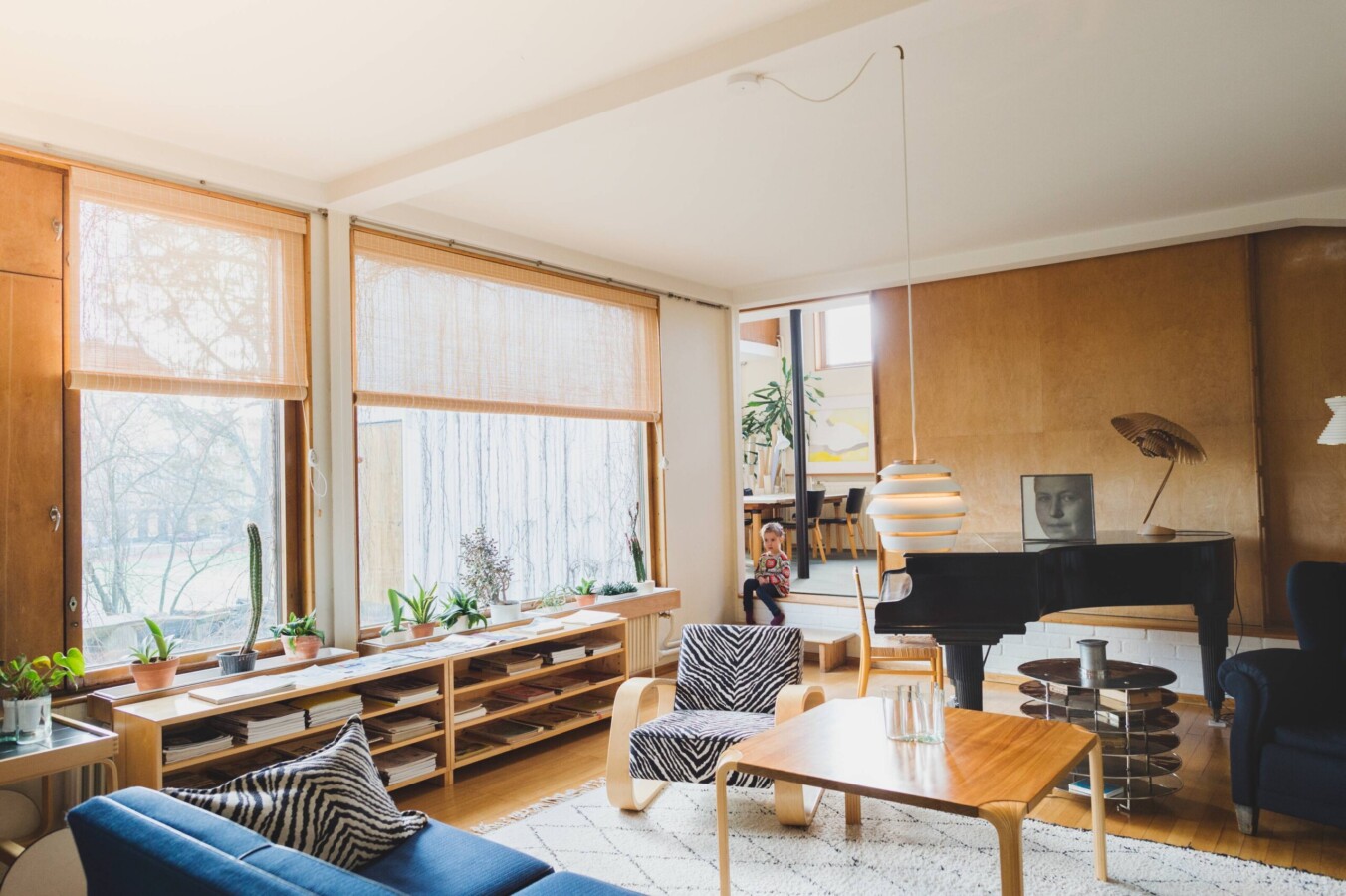
Architecture enthusiasts often travel across Europe to discover iconic design destinations. In Finland, few names are as celebrated as Alvar Aalto.
As one of the world’s most influential architects and designers, Aalto shaped modern Finnish architecture through his distinctive combination of functionality, nature, and human-centered design. His work can be found throughout Finland, creating a fascinating route for international groups interested in architecture, design, and culture.
In July 2026, the Aalto Works – a series of 13 sites in Finland designed by Alvar, Aino and Elissa Aalto – was inscribed on the UNESCO World Heritage List. The inscription recognizes the outstanding universal value of Aalto’s humanistic approach to modern architecture and further strengthens Finland’s position as one of the world’s leading destinations for architecture and design tourism.
Official Partner of the Alvar Aalto Route
Pohjolan Matka is proud to be a member of the Cultural Route on Aalto’s Architecture and Design Heritage Association. The Alvar Aalto Route connects sites designed by Alvar Aalto’s architecture office into a fascinating cultural travel route across Europe. Pohjolan Matka offers tailored Alvar Aalto tours that connect visitors with some of the architect’s most important sites. From public buildings and churches to cultural centers and museums, travelers gain unique insight into Finland’s design heritage while exploring beautiful Finnish landscapes.

Many of the destinations featured on our itineraries are also part of the newly inscribed UNESCO World Heritage Aalto Works series, offering visitors the opportunity to experience internationally recognized examples of modern architecture firsthand.
Discovering Aalto’s Masterpieces in Southern and Central Finland
One of the most rewarding sections of the route connects Helsinki, Jyväskylä, and Seinäjoki, showcasing the breadth of Aalto’s work from urban landmarks to civic architecture.
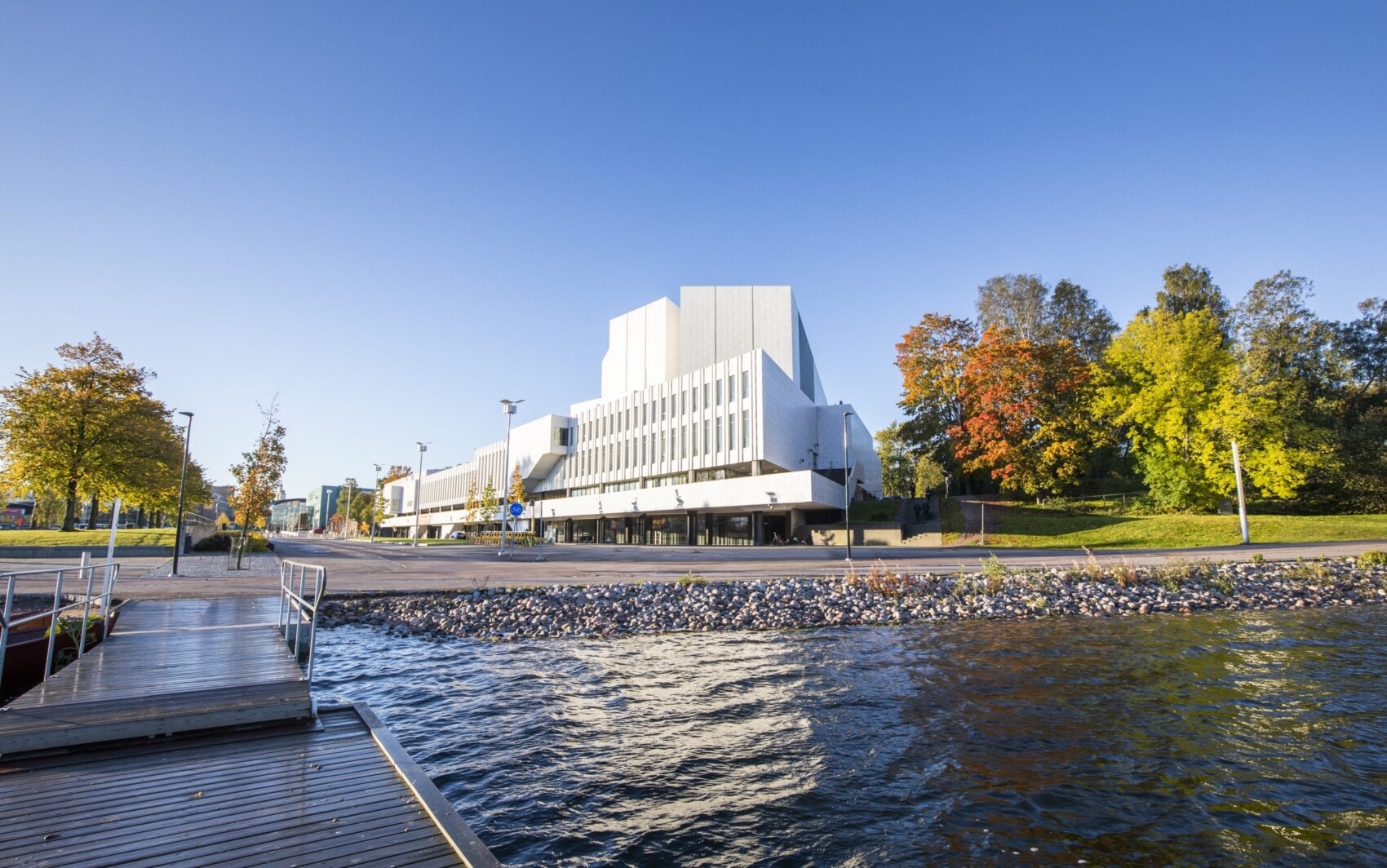
In Helsinki, visitors can explore the iconic Finlandia Hall, one of Aalto’s most celebrated works. Recently renovated, the building remains a masterpiece of modern architecture, reflecting Aalto’s attention to detail from the grand façade to the carefully designed interiors and furnishings. Finlandia Hall is also one of the 13 Aalto Works inscribed on the UNESCO World Heritage List.
The journey continues to Jyväskylä, often referred to as the “capital of Alvar Aalto.” The city has the world’s highest concentration of Aalto buildings and is home to the Alvar Aalto Museum and the newly connected Aalto2 Museum Centre. Here, visitors gain deeper insight into the architect’s life, creative process, and lasting influence on Finnish design. Several UNESCO-listed Aalto Works are located in and around Jyväskylä, making the region an essential destination for architecture enthusiasts.
Further west, Seinäjoki presents one of the most complete architectural ensembles ever created by Aalto. The city’s Civic Centre includes the striking Lakeuden Risti Church, the City Hall, Library, Theatre, and Parish Centre, all designed as part of a harmonious urban composition. Together, they demonstrate Aalto’s unique ability to create functional public spaces while maintaining a strong sense of beauty and community. The Seinäjoki Civic Centre is also included in the UNESCO-listed Aalto Works.
Southeastern Finland – Industrial Communities
The Alvar Aalto Route also leads to southeastern Finland, where visitors discover a lesser-known but fascinating chapter of Aalto’s architectural legacy. Some of his most ambitious community planning and industrial projects were created in the forest industry landscapes of Kymenlaakso and South Karelia.
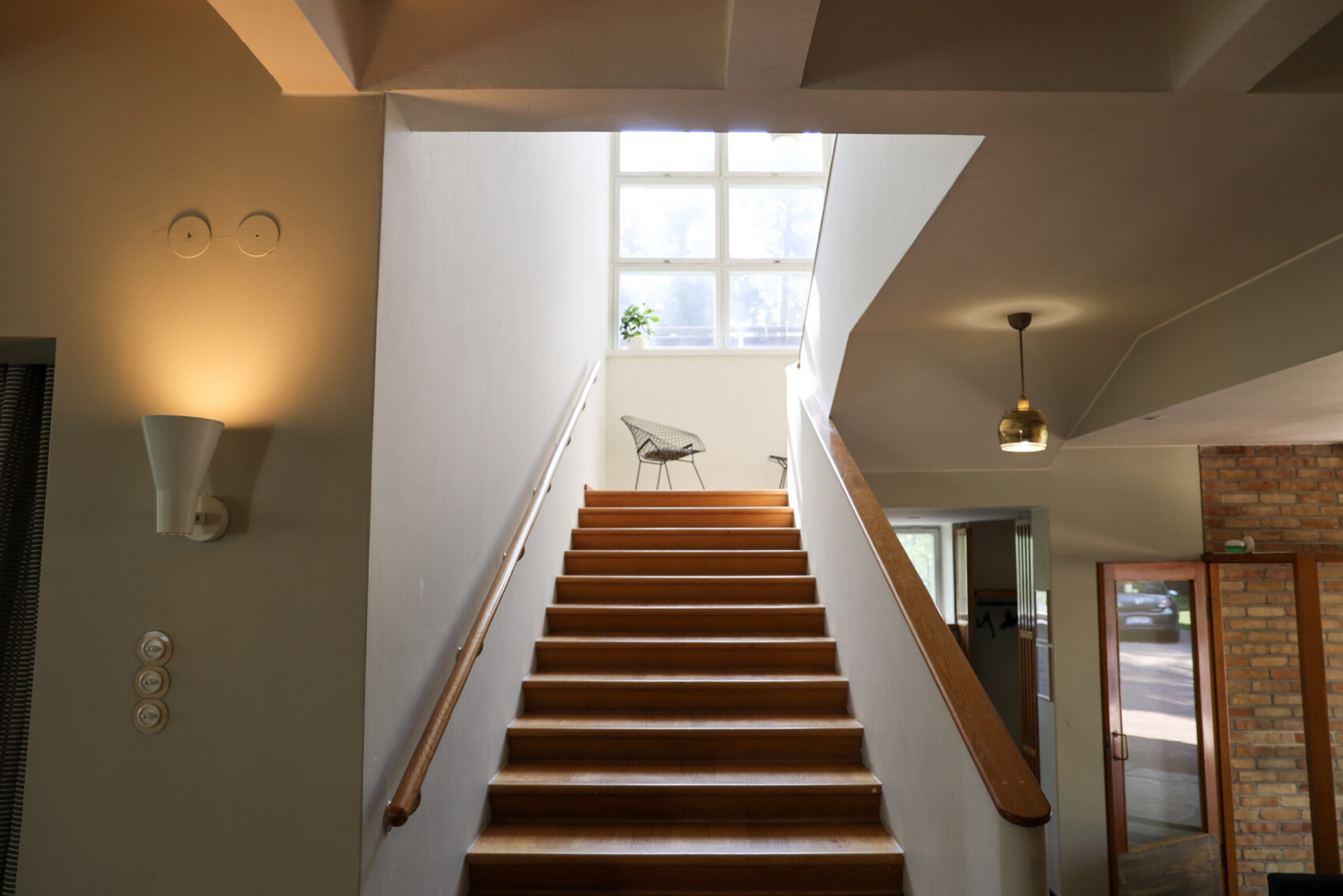
The journey begins in Kotka at the Sunila Residential Area, one of Aalto’s finest examples of combining architecture, urban planning, and nature into a harmonious industrial community. Visitors can also explore the nearby Kantola Villa and learn how Aalto designed not only individual buildings but complete living environments for mill workers and their families. Sunila is one of the Aalto Works inscribed on the UNESCO World Heritage List.
The tour continues to Inkeroinen, where Aalto designed residential buildings, workers’ housing, and community facilities for one of Finland’s most important paper mill communities. The Tehtaanmäki industrial residential area, together with the Mäntylä and Honkala residential buildings, demonstrates Aalto’s human-centered approach to industrial architecture and community planning.
The final highlight is the Church of the Three Crosses in Imatra, widely regarded as one of Aalto’s most remarkable ecclesiastical works. Renowned for its expressive architecture, innovative use of natural light, and adaptable interior spaces, the church is also part of the UNESCO World Heritage-listed Aalto Works.
Throughout the journey, visitors experience the industrial heritage, modernist architecture, and beautiful landscapes of the Kymijoki River Valley and South Karelia while gaining a deeper understanding of Aalto’s unique role in shaping Finland’s forest industry communities. This itinerary offers a distinctive perspective on Aalto’s work, complementing the more familiar destinations in Helsinki, Jyväskylä, Seinäjoki, and Lapland.
Alvar Aalto in the Arctic

The Alvar Aalto Route extends far beyond southern Finland, reaching into the country’s northern regions where architecture meets Arctic nature.
In Oulu, visitors discover how Aalto’s principles adapted to the growing cities of northern Finland. The city features several buildings designed by Aalto’s office, reflecting the evolution of modern Finnish architecture in a northern urban environment.
The route then continues to Rovaniemi, the capital of Finnish Lapland. Following the destruction caused by the Second World War, Aalto played a central role in redesigning the city. His visionary urban plan, famously shaped like a reindeer’s head when viewed from above, became one of Finland’s most ambitious post-war reconstruction projects.
Rovaniemi’s key Aalto landmarks include the City Hall, Library, and Lappia Hall, which together form an architectural and cultural centre unique to the Arctic region. Here, visitors experience how Aalto combined modernism with local identity, creating spaces that respond to both the northern climate and the needs of the community.
Beyond architecture, the Arctic section of the route offers opportunities to experience Lapland’s distinctive landscapes, culture, and seasonal phenomena, adding another dimension to the journey.
These itineraries are available year-round and can be combined with local culinary experiences, cultural programs, and visits to other Finnish attractions and activities along the route, creating a comprehensive and inspiring journey.
Ready to Go?
With Pohjolan Matka’s dedicated travel experts, we ensure a seamless and successful journey for both small and large groups. Contact us for a tailored quote and discover Finland through the works of one of the world’s greatest architects—now recognized as part of UNESCO World Heritage.